
Wildfire season in Idaho, particularly around July, brings haze and poor air quality not only to Kuna but also neighboring communities like Star, Boise, Eagle, Nampa, Caldwell, Meridian, Fruitland, Middleton, and Garden City. Residents often find the distinctive smell of smoke infiltrating their homes, causing concern for the safety and comfort of indoor spaces. Wildfire smoke contains fine particulate matter (PM2.5) that poses risks to everyone, especially children, seniors, and those with respiratory conditions. As wildfires become more frequent and severe, understanding how to maintain healthy indoor air quality (IAQ) is vital for families in these regions.
The Impact of Wildfire Smoke on Indoor Air Quality
When wildfires are active in the high desert and foothills, smoke can drift for miles, blanketing the region and rapidly degrading outdoor air. Unfortunately, smoke doesn’t remain outside; it seeps indoors through doors, windows, and ventilation meaning homes in Kuna and surrounding towns quickly become vulnerable. Indoor air pollution from wildfire smoke can cause:
-
Irritation of eyes, nose, and throat
-
Aggravated asthma and allergies
-
Coughing or difficulty breathing
-
Long-term respiratory issues with repeated exposure
Unlike larger dust particles, PM2.5 from smoke can evade basic filters and settle deep in your lungs, remaining suspended indoors for hours or days without the right intervention.
How Your HVAC System Protects Your Home from Smoke
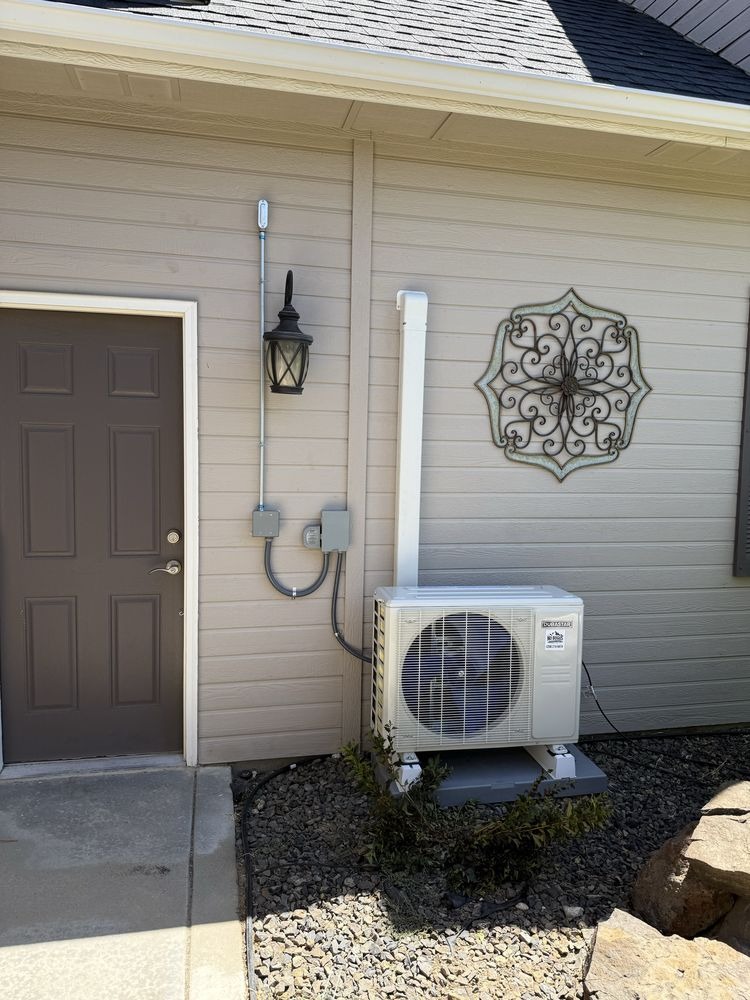
The good news is, your HVAC system can be your home’s first line of defense against wildfire smoke. Central air conditioning, forced air furnaces, and even heat pumps, when properly maintained, help to reduce the amount of airborne particulates circulating in your home. Here’s how:
-
High-efficiency air filters: Upgrading to a MERV 13 or higher-rated filter captures more airborne smoke particles, offering superior protection compared to standard filters.
-
Sealed ductwork: Well-maintained and sealed ducts prevent smoky outdoor air from entering your system and spreading throughout your home.
-
Continuous fan operation: Setting the fan to “on” keeps air circulating through the filter, maximizing filtration during smoke events.
Air Purifiers and Whole-Home Solutions
Portable air purifiers with HEPA filters can be particularly effective in single rooms, while whole-home air purifiers integrated into your existing HVAC system can filter air throughout your entire living space. Homeowners around Star, Eagle, or Nampa may face more smoke intrusion or have homes that are difficult to seal. In these cases, a whole-house solution provides the most comprehensive protection. Local HVAC specialists can recommend and install air purification systems tailored to your home’s needs.
The Importance of Regular HVAC Maintenance During Fire Season
A neglected HVAC system is less effective at filtering smoke. Clogged or dirty filters can’t capture smaller particles, and unmaintained equipment may circulate more contaminants instead of reducing them. To safeguard your family:
-
Check and replace HVAC filters monthly during wildfire season.
-
Schedule professional tune-ups for AC units and furnaces before midsummer.
-
Have ducts inspected for leaks and proper sealing.
Regular service from a trusted provider makes all the difference in keeping your home’s air healthy and breathable.
Help and Solutions for a Healthier Home – Contact No Bogus Heating And Cooling
If you live in Kuna, ID or the surrounding Treasure Valley communities and are concerned about indoor air quality this wildfire season, No Bogus Heating And Cooling is ready to help. Our technicians offer expert HVAC maintenance, high-quality HVAC filtration upgrades, and durable air purification solutions designed for Idaho’s unique wildfire conditions. Call us at (208) 274-0474 or visit our website to fill out our simple online form and schedule an appointment. Protect your household with locally trusted care from No Bogus Heating And Cooling.